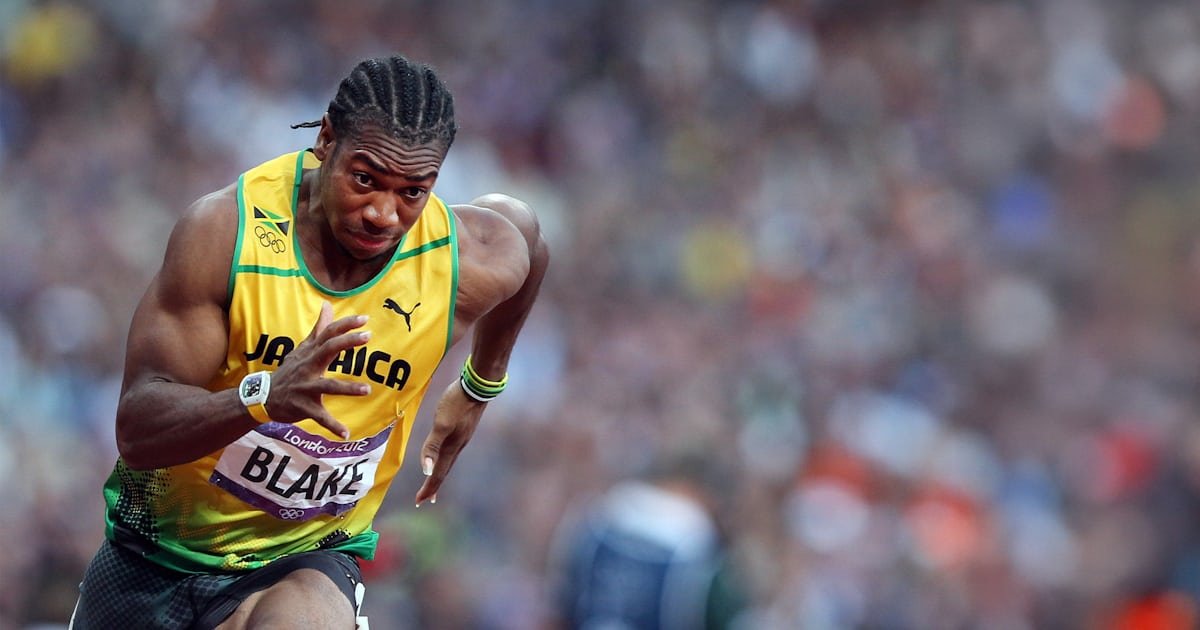
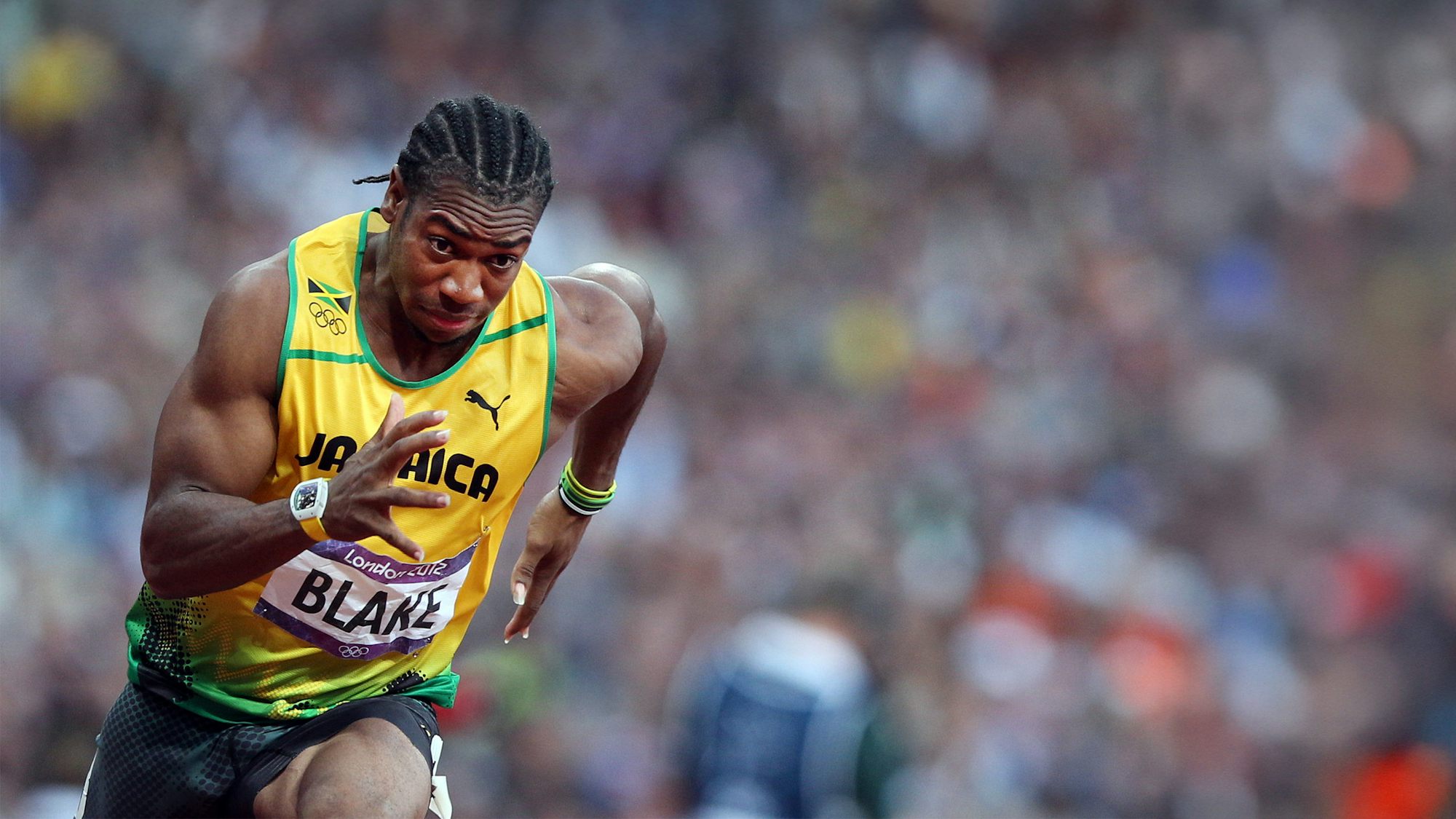
The connection between athletes and watches has produced some of history’s most clever sports marketing campaigns, including the first one ever. Mercedes Gleitze was wearing a Rolex on a chain around her neck as she swam across the English Channel in 1927. It was as if she were setting a precedent with athlete partnerships—these watches were meant to be worn. However, in modern times, watches worn in sports were primarily centered around cars, where an athlete wearing a watch makes a negligible difference in added weight. Every gram counts when trying to be as streamlined as possible while running, playing in the Final at Roland Garros as Rafael Nadal does, on the final drive on the 18th during the U.S. Women’s Open like Nelly Korda, both of whom also wear Richard Mille watches in competition. Even in cycling, when brands and athletes spend millions of dollars in wind tunnels, optimizing helmets and bicycle shapes for incremental aerodynamic improvements, why would Tadej Pogačar—the best cyclist on the planet—wear his signature Richard Mille in some of the most grueling cycling races in the world, including the Tour de France? Given this, I had one main question for Amanda—how do they get some of the top athletes in the world to agree to wear them in competition?